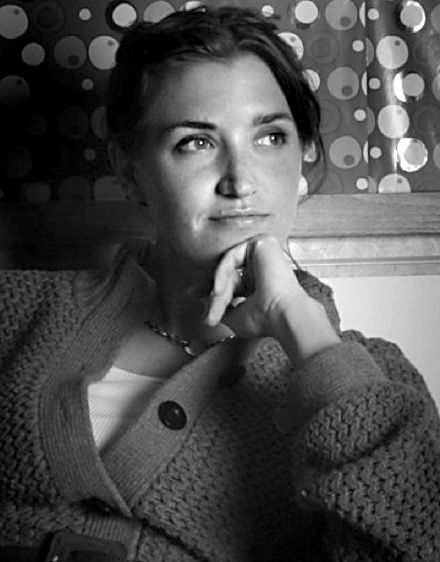
Rebekah Raleigh is the Director of Strategic Communications at the Institute of Politics at the University of Chicago and an Expert-in-Residence at the Rippleworks Foundation, where she advises global social ventures on communications strategy.
She began her career as an award-winning photojournalist—earning recognition from the Associated Press, Inland Press, and Illinois Press Photographers—before transitioning into executive creative leadership. Following this tenure in journalism, she was named a "Top New Creative" by CMYK Magazine and went on to serve as Creative Director at Rotary International and Creative Lead for BioLife Plasma Centers at Takeda.
Her strategic communications work remains deeply rooted in the rigorous discipline of photojournalism: of looking before concluding and letting a subject's truth dictate the narrative. This methodology was forged during two years spent documenting communities across Myanmar, Laos, and Thailand. Her focus on representation and ethics underpins both her executive counsel and her published scholarship, including her 2024 essay "The Privacy of Patient Zero," in Rotary Magazine which chronicles her firsthand experience as the first suspected case of SARS in India and the global privacy violations of having her name become international news. Expanding on how systemic narratives are constructed, her peer-reviewed 2025 article "On Equity and Authenticity: Decolonizing Imagery of Nigeria" in Visual Communication Quarterly, examines the pressures local image-makers face to reinforce specific institutional and Western storytelling tropes.
Raleigh was also named an Emerging Leader at the Chicago Council on Global Affairs (2018).
Photo at right by Eddie Quiñones.